
Contracting under geopolitical uncertainty

In collaboration with

Findings at a glance






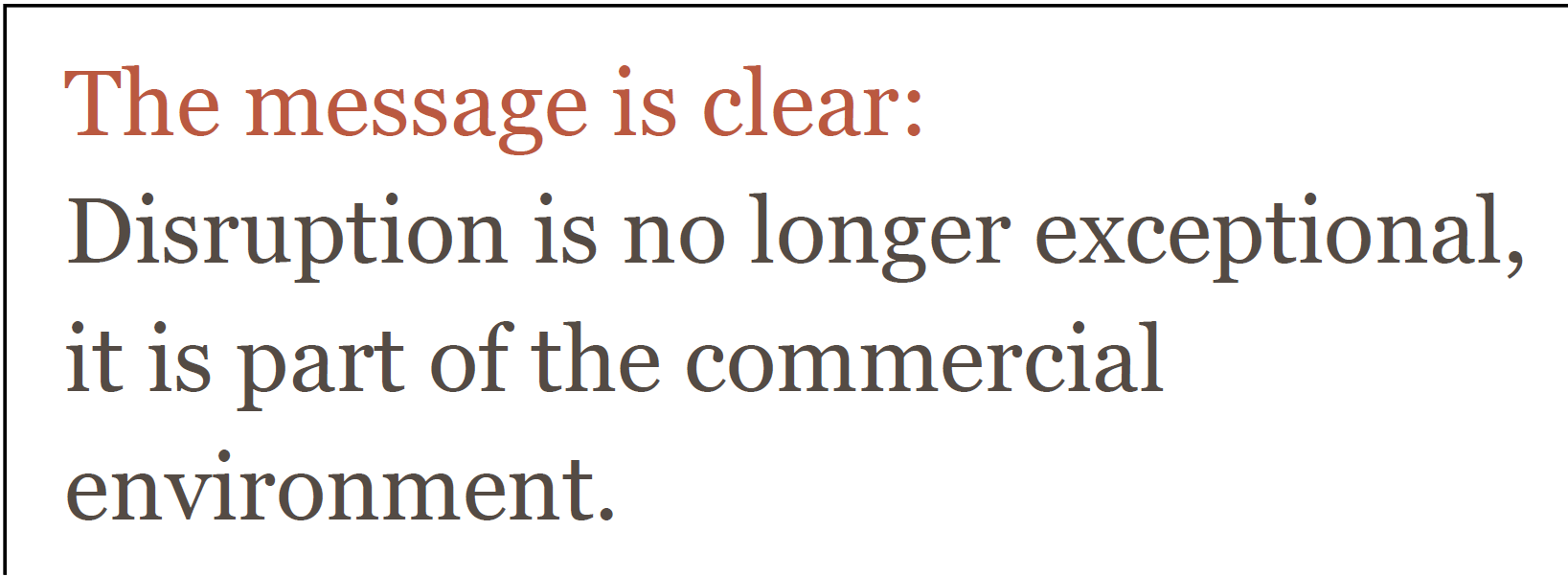
Disruption is now part of normal business:
Most contracts were built for a stable world:
Supply security is compromised by lack of transparency:
The real weakness is the contracting process:
Unclear ownership weakens accountability:
Buyers and sellers are both under pressure:
94% experienced geopolitical disruption on one or more occasions in the past 12 months. For 34%, the impact was significant or severe.
For 69%, contracts offered little help in handling disruption. The biggest gaps were in price adjustments, risk allocation, delays, altered requirements, and how changes should be managed.
The biggest capability gap is early warning. Organizations need better visibility into where and how they are exposed.
Fragmented data, siloed decisions, and disconnected workflows make it hard to anticipate risk and respond at speed.
Most organizations lack a defined owner for the contracting process, resulting in confused roles, collective responsibility, and too little accountability for quality or outcomes.
Buyers want to secure continuity and manage price pressure. Sellers are trying to protect margin, revenue, and cash flow.

Most disruption is resolved commercially, not legally:
Most renegotiate, absorb the impact, or adjust terms to keep the business moving.

Relationships and governance shape outcomes:
Trust remains a top barrier to collaborative outcomes.

Resilience depends on design, not toughness:
The organizations best placed to manage risks are those with adaptive contracts, clear governance, connected data, and faster decision-making – not those with the most onerous terms.
Bottom line
Geopolitical disruption is exposing how the absence of a clear, accountable contracting process is a core weakness in many organizations. Resilience depends on better contract design, stronger governance, connected data, and earlier commercial insight.
Contracting under geopolitical uncertainty

Executive summary
Geopolitical disruption has moved from background risk to operational reality. In this survey, 94% of respondents reported some level of impact on their supply chains or commercial relationships in the past 12 months, and 34%described that impact as significant or severe. Only 6% reported no impact at all.
The findings also confirm the limits of contract-centric risk management. Only 31% said their contracts were adequate in most cases. The most common gaps are related to price adjustment provisions, poor risk allocation, and a lack of hardship or adaptation mechanisms. Force majeure was often too narrowly drafted. Contracts are designed for stability, not volatility.
But the deeper weakness lies beyond the document. Respondents pointed to early warning as the biggest capability gap, and the evidence suggests why. In many organizations,the contracting process remains fragmented - data sits in multiple systems, decisions are split across functions, roles are unclear, and accountability is weak. Contract interdependencies are rarely identified or tracked. This lack of ownership and cohesion undermines visibility, slows response, and makes resilience harder to achieve. Even if data exists, it often cannot be found.
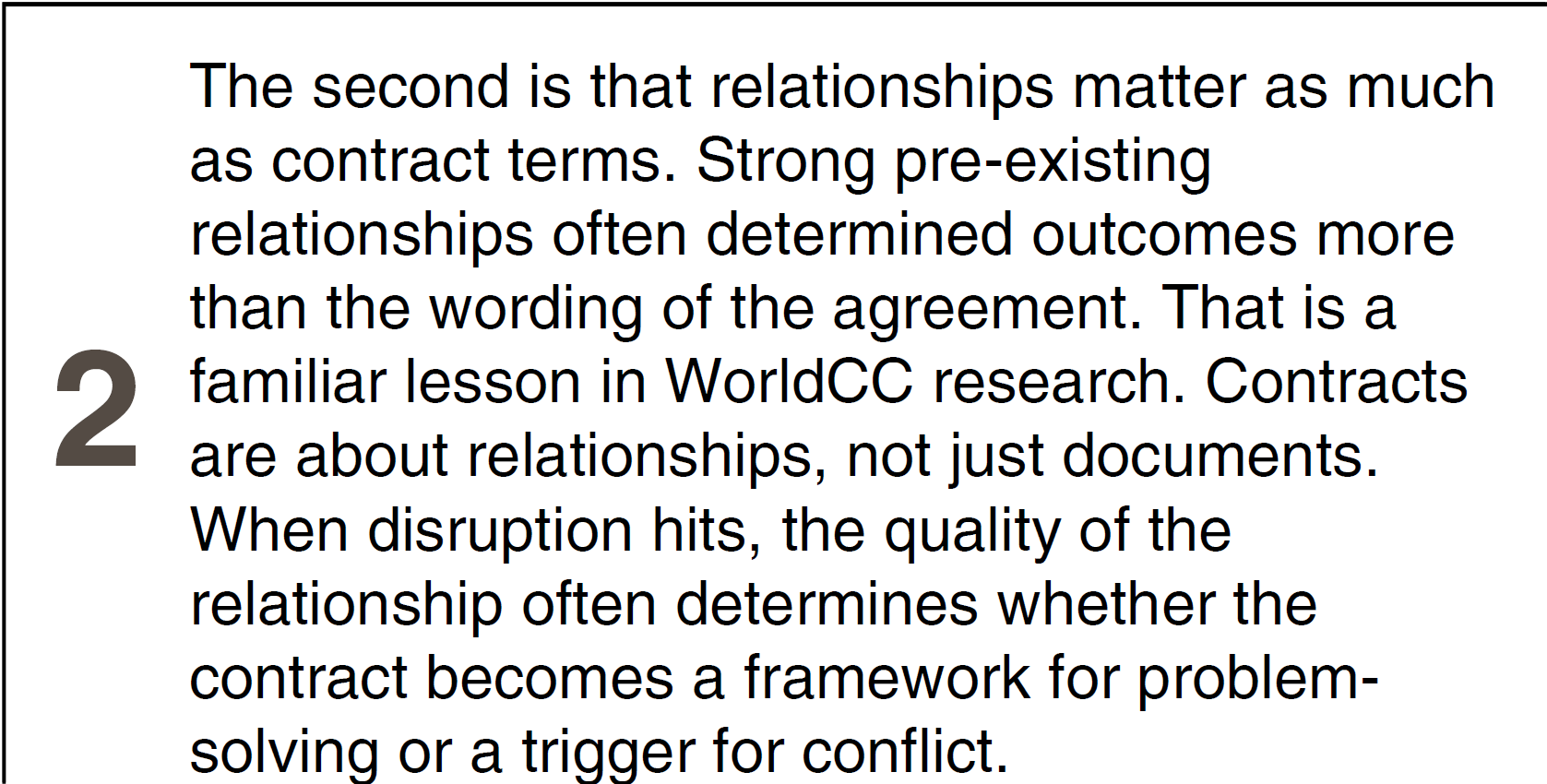
Contract language alone does not determine outcomes. Relationship depth, strategic importance, leadership involvement, and willingness to collaborate all shape whether disruption is managed constructively or becomes a source of strain. The organizations best placed to respond are those that combine adaptive contract design with stronger governance,cross-functional alignment, connected data, and the ability to detect and rapidly act on risk signals.
Geopolitical disruption impact over the past 12 months:
94%
of respondents reported a level of impact
34%
of respondents reported an impact as significant or severe
6%
of respondents reported no impact
Contracting under geopolitical uncertainty
Conculsion
Geopolitical disruption is not simply testing contract language. It is testing whether organizations have built commercial systems that can sense change early, align internally, and adapt before pressure turns into loss. This survey shows that disruption is now widespread, that many contracts remain poorly suited to volatile conditions, and that outcomes depend heavily on relationship quality and governance capability.
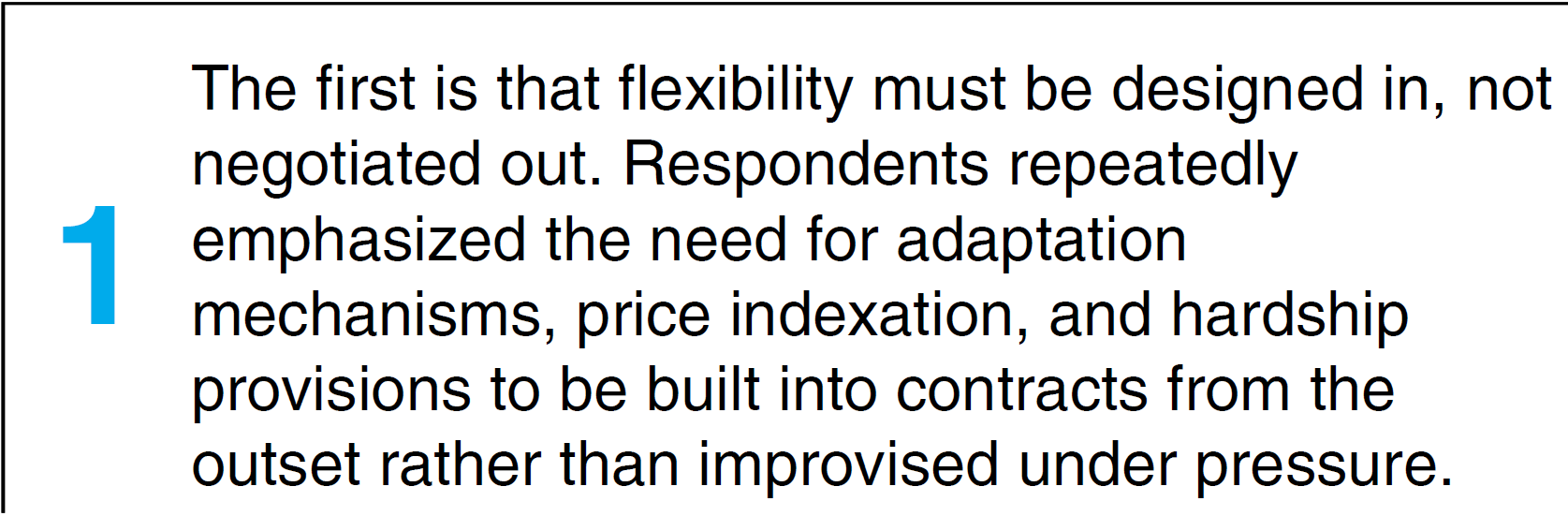
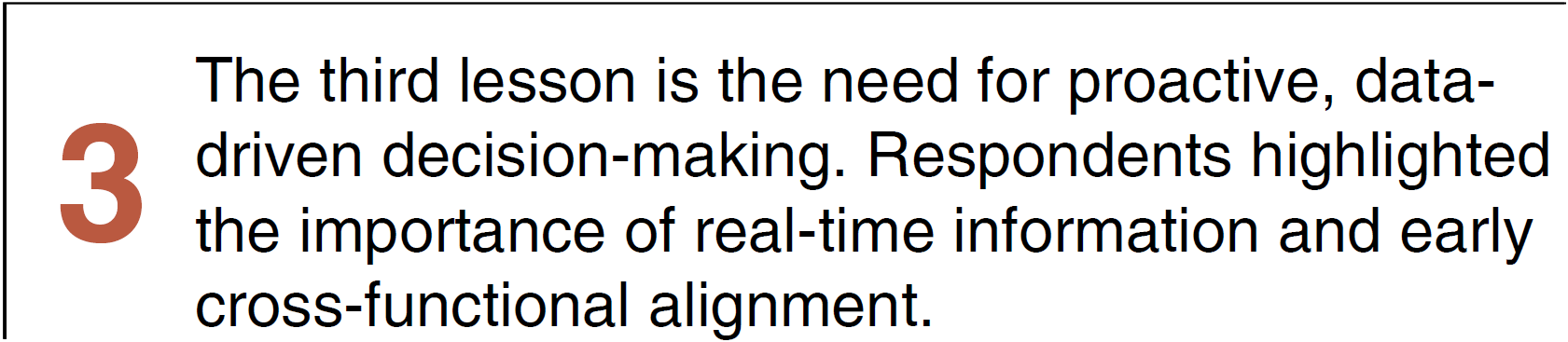
The findings also show that the practitioners and their organizations are beginning to move in the right direction. Planned shifts toward price flexibility, diversification, stronger relationship governance, and explicit adaptation mechanisms all point to a more mature response. But planning is not the same as implementation. The real issue is whether organizations can turn these intentions into operating practice.
The organizations best placed to navigate continued disruption will not be those with the toughest clauses. They will be those that combine adaptive contract design, strong relational governance, cross-functional alignment, and early warning capability. That is the broader lesson from this research, and it aligns closely with the wider direction of WorldCC thinking. The future belongs not to contract-centric risk management, but to commercially intelligent resilience. And that is where AI may enable a new future for the formation and management of trading relationships.
Contracting under geopolitical uncertainty
Written by
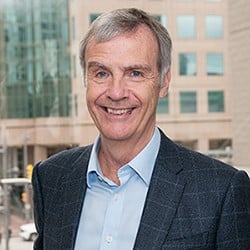
An international, cross-industry career that has moved from corporate management to extensive research, advisory and capability development services to public, private and third sector organisations. Tim has lived and worked in the UK, France (3 years), and the United States (20 years), building an impressive research and entrepreneurial record with a demonstrated commitment to delivering social benefit. As Founder and President of World Commerce & Contracting (formerly International Association for Contract & Commercial Management), Tim has built a 72,000-member worldwide non-profit association which increasingly influences commercial policies and contracting practices in major corporations and governments. In September 2019, he was presented with the Financial Times ‘Market Shaper of the Year Award. Tim was, until recently, Professor and Chair of International Commercial & Contract Management at the University of Leeds, School of Law, where he taught and led the development of inter-disciplinary commercial programs. Prior to founding World Commerce & Contracting, Tim was on the Chairman’s staff at IBM Corporation and led the development of worldwide commercial processes and skills. His early career included management roles in the banking, automotive and aerospace industries, where he led negotiations up to $1.5 billion in value. He has served in advisory roles for government departments in various countries, including the US, UK, Australia, Canada, and Japan.
Resources
From webinars to articles and events we have a whole host of resources to help you on your journey to AI excellence.
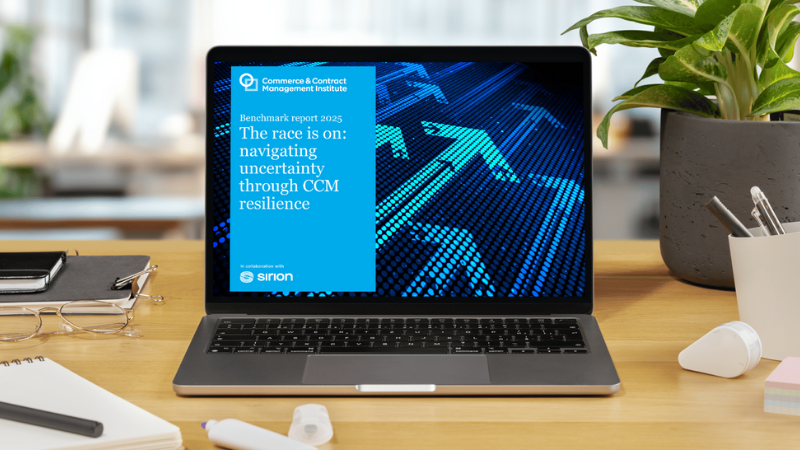
Benchmark 2025
Curious to understand how commercial and contract management teams are responding to uncertainty? Download the 2025 Benchmark Report for key insights into accountability, process maturity, technology adoption, and the capabilities organizations need to build resilience and improve performance.

Articles
Our Content Hub boasts an extensive collection of AI articles, delving into the transformative impact on contracting and commerce. As leaders in the field, we offer valuable insights and thought-provoking content, illuminating AI's revolutionary potential in the contracting landscape.

AI Contracting Clinic
As AI's role grows, this clinic moves beyond buzzwords to show what actually works. This series offers live case studies, frameworks, debates and examples of real business impact. Join practitioners and experts to solve contracting problems with AI and help you understand where AI fits in your contracting lifecycle.
Become a member
Join now to access a range of benefits as part of the world's largest commerce and contracting community.
- Become part of a global community and connect with other members at events and on online forums.
- Participate in live webinars and sponsored webcasts with thought leaders and experts.
- Attend local networking groups and regional or international conferences.
- Access the latest research, reports, analytics, best practice templates and thought-leadership articles.
- Become certified with our globally recognized training programs.
- Gain one-on-one mentorship from our experts.
- Receive regular news and industry updates.
- Search and post jobs on our members job board.
- Raise your professional reputation by contributing to our Content Hub, joining working groups, speaking at conferences, and contributing to research.